The Hep Cat Hoppers

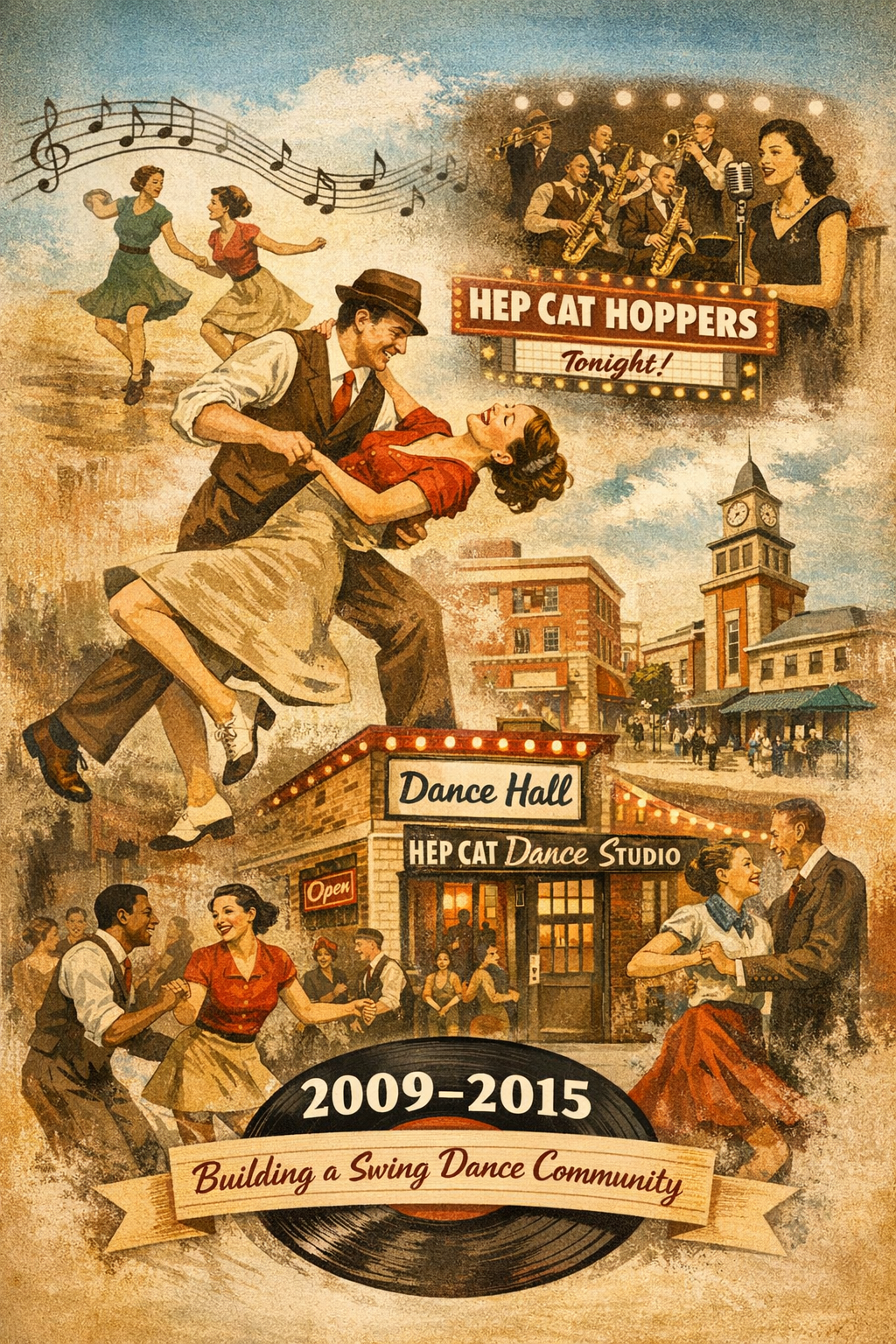
The Hep Cat Hoppers began in 2009 as a swing dance performance troupe in Waterloo Region, performing vintage solo jazz and partner swing routines (including classic 1930s material performed with the Royal City Big Band).
Over six years, it grew into a community project: weekly social dances, beginner pathways across swing-era styles, and—by 2012—a dedicated swing-era studio and dance hall in Uptown Waterloo.
A lot of local scenes don’t end because people stop loving the dance. They end because the work stays concentrated in a small core. This project treated that fragility as the main risk—and tried to build a swing-era culture that could continue without depending on one founder, one venue, or one “keeper of the keys.”
The target was a repeatable weekly ecosystem: consistent social dancing, clear on-ramps for beginners, and community norms that helped participants become regulars—and eventually contributors.
In six short years (2009–2015), a small group of swing dancers built a sustainable dance business in Kitchener–Waterloo that aimed to provide rich cultural experiences centered on the “Golden Age,” exploring Lindy Hop and swing jazz music through social dancing, studio programming, and community activities.
A weekly ecosystem designed for continuity — not a founder-dependent project.
“Sustainability” meant building a pathway for successors inside the community—then actually transferring stewardship. During the studio era, the project explicitly focused on priming successors, followed by a formal transition: the community formed a not-for-profit and a six month succession plan was implemented as the Hep Cat Hoppers phased out operations.
Pathway: Newcomers → Regulars → Contributors → Organizers → Stewards
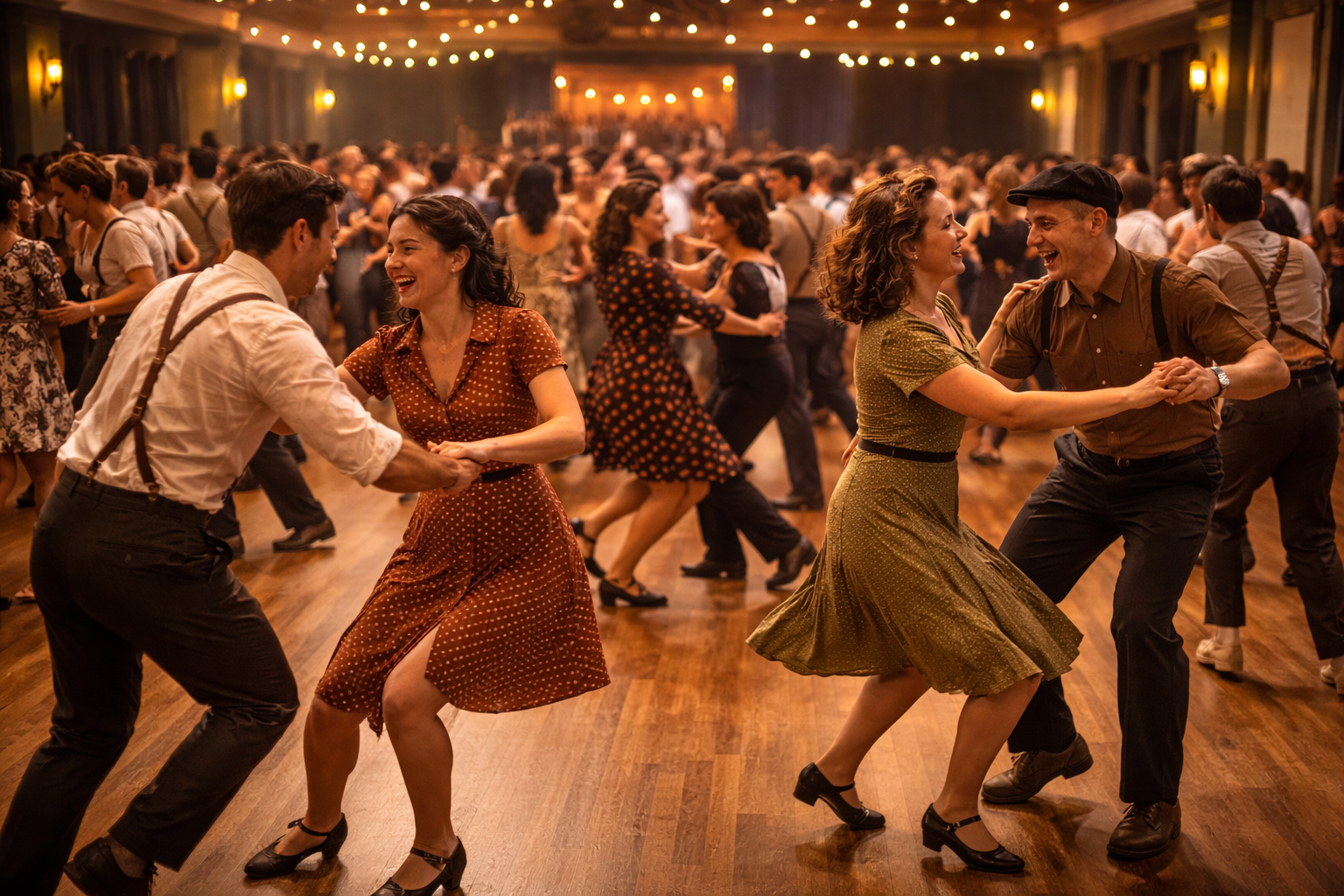
The project began hosting local weekly dances with live music by local musicians, plus introductory lessons and weekly beginner classes (including Lindy Hop, Charleston, West Coast Swing, Blues and Balboa). It also hosted a weekly Swing and Blues radio show on the FM dial, helping the communinity understand what swing jazz is.
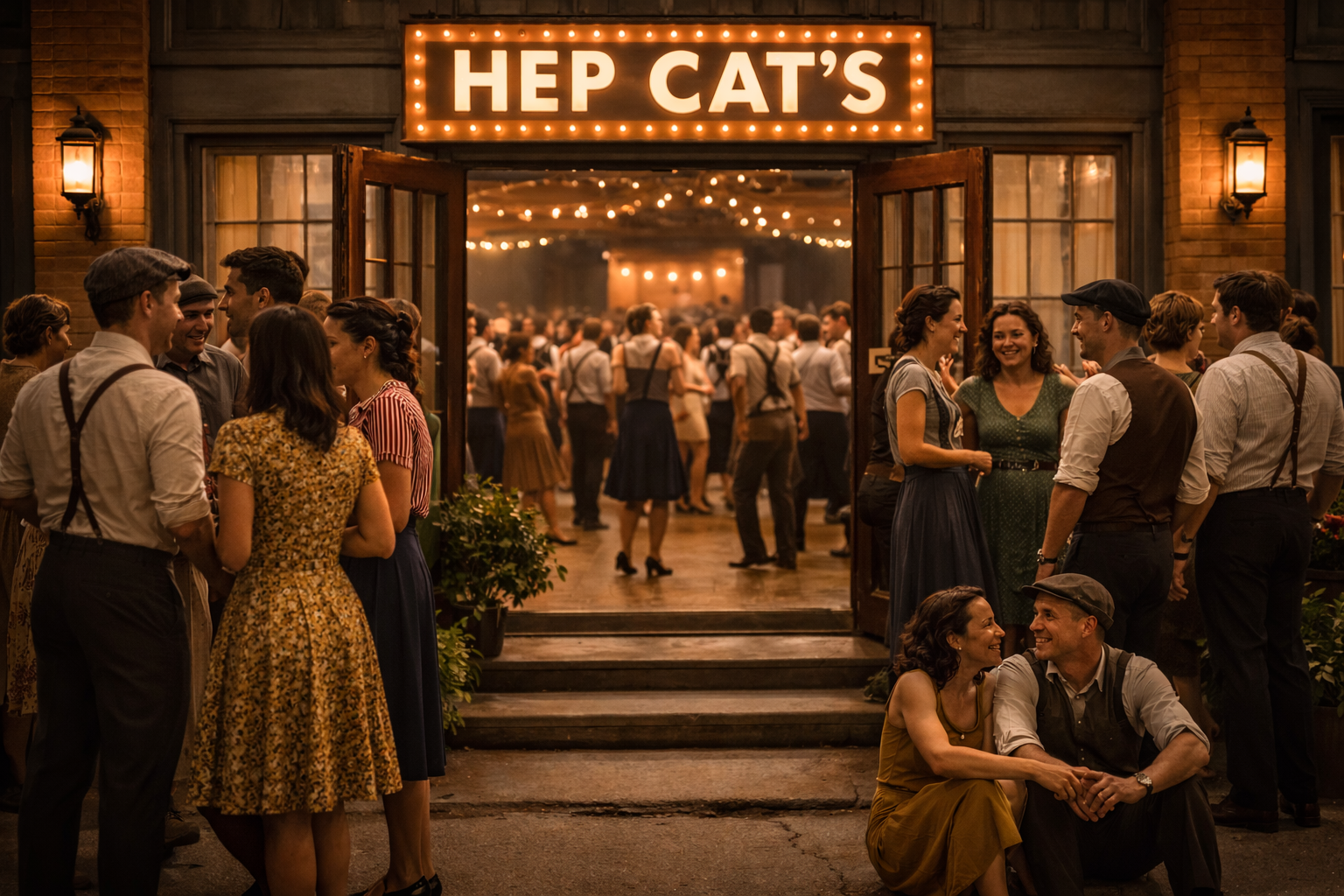
The Hep Cat Hoppers raised enough capital to open a swing-era studio and dance hall. Programming expanded to several classes each night of the week, regular social dancing, and jazz jam sessions supported by an in-house band.
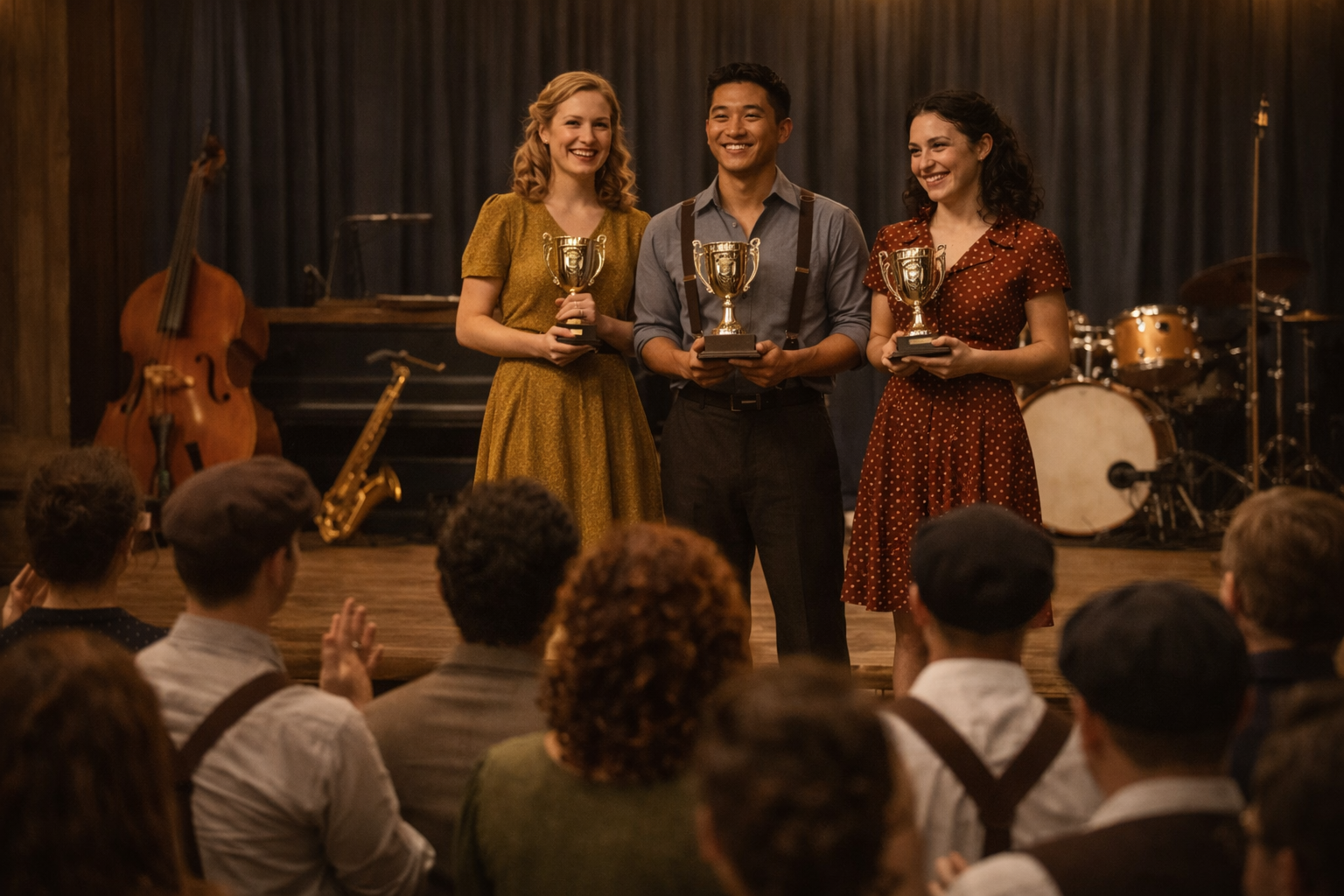
2011: Awarded for excellence in maintaining the spirit and history of swing dancing in the Region of Waterloo (Toronto International Swing Dance Championships).
2016: Nominated for artistic excellence, sustained development, and community impact (Arts Awards Waterloo Region).
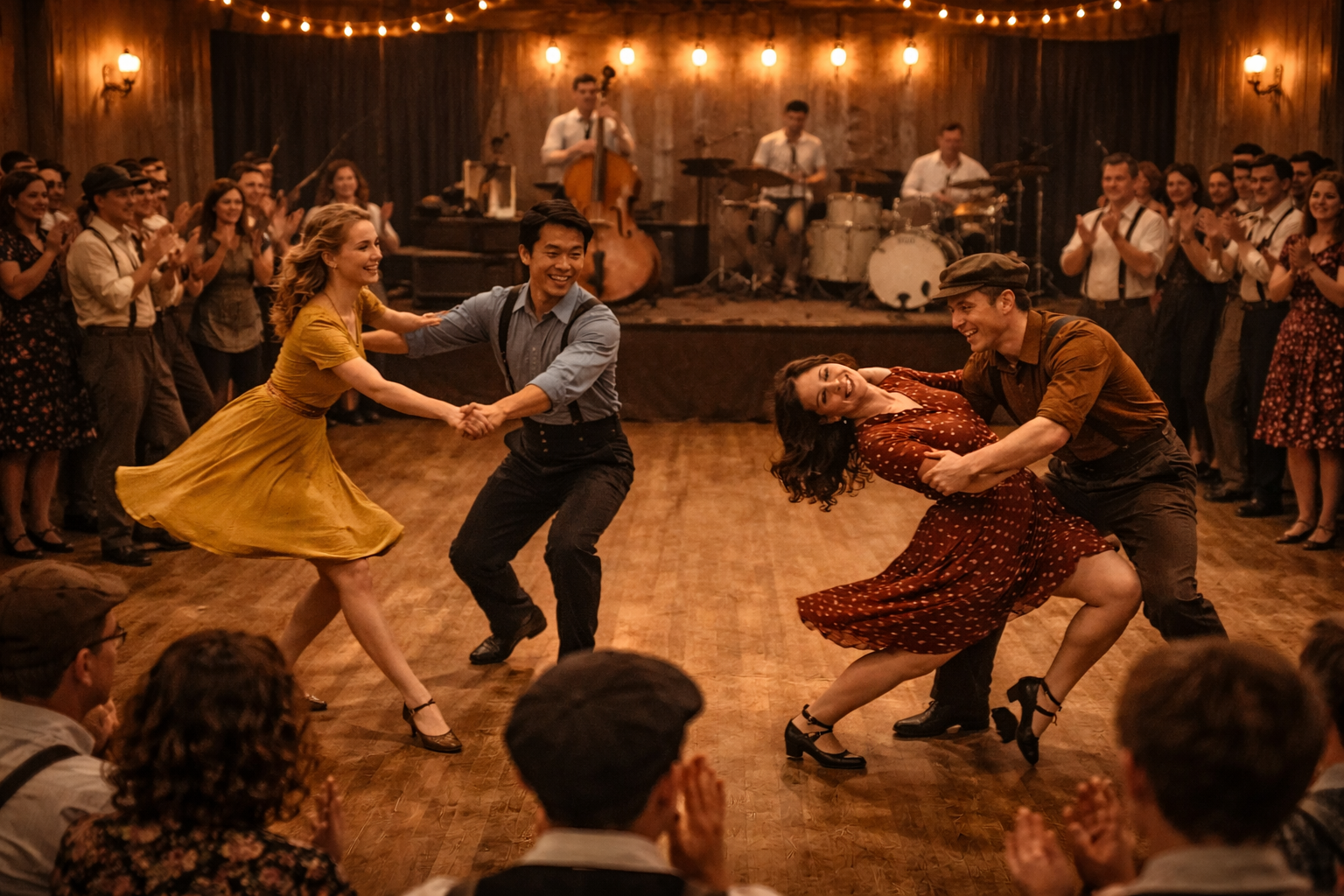
Founded as a swing dance performance troupe in Waterloo Region.

Weekly dances begin; intro lessons and beginner classes expand; a local FM swing & blues radio show runs.
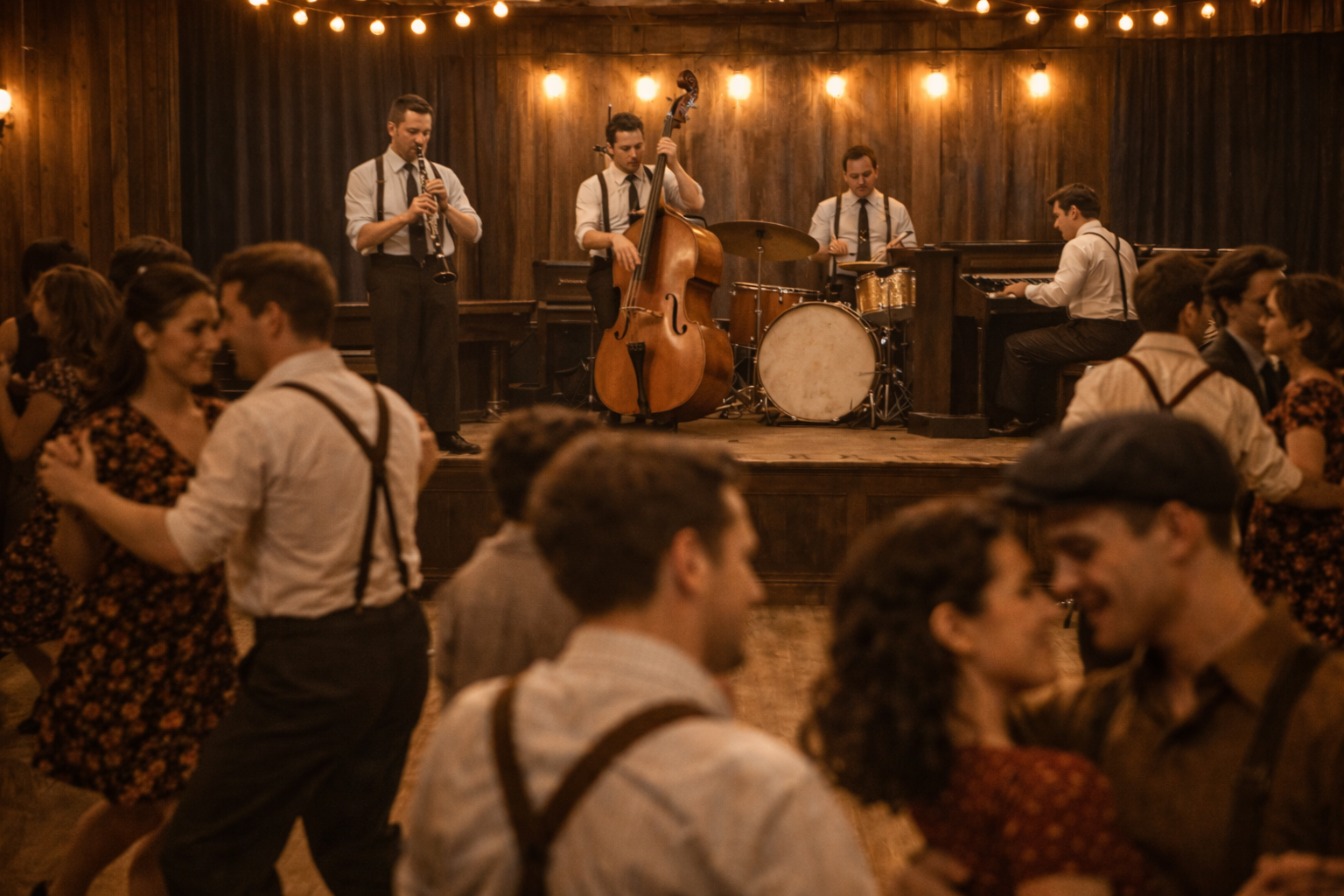
Studio and dance hall opens; multi-night classes, socials, and jazz jams become regular; successors are intentionally developed.
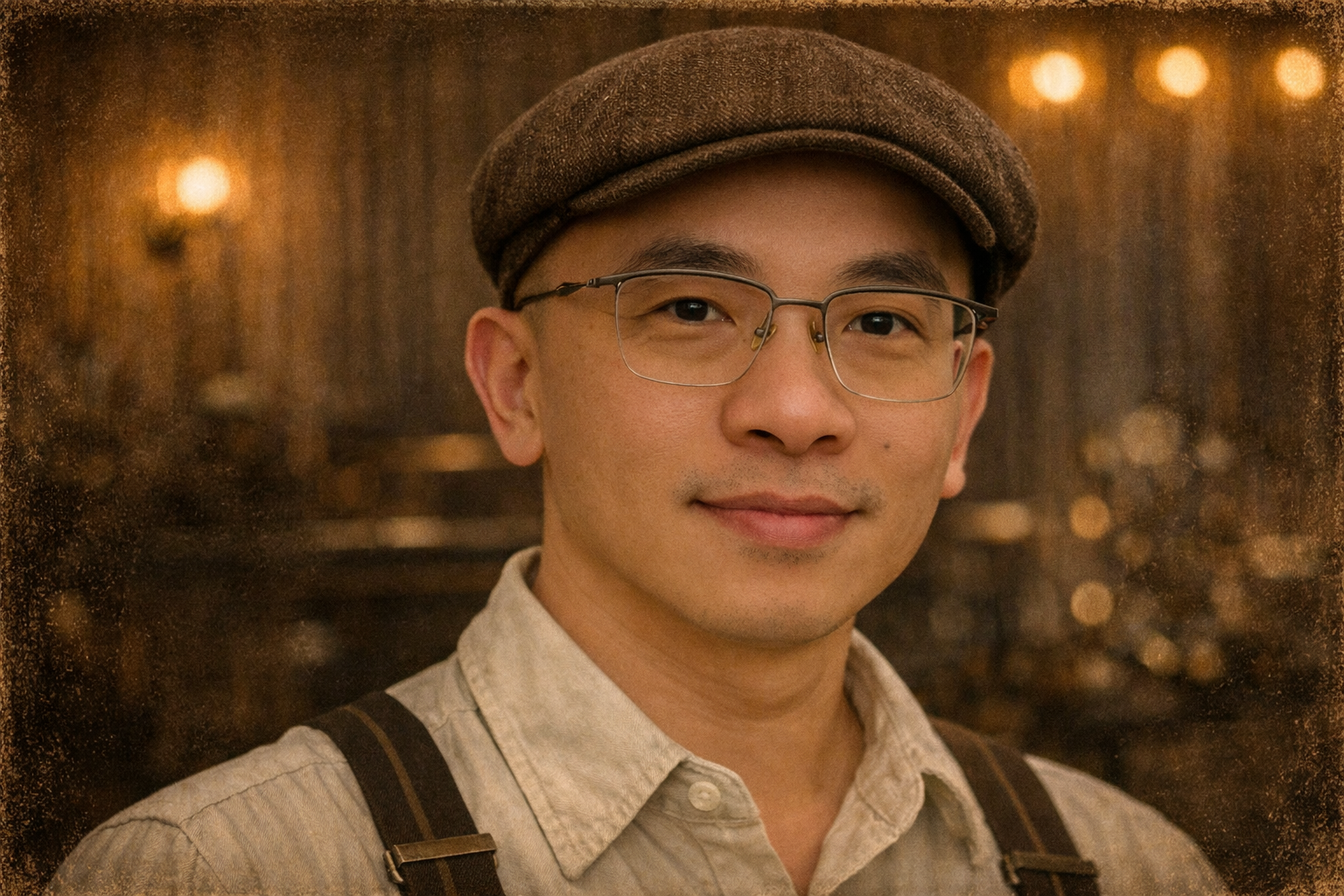
Not-for-profit forms; phase-out begins under a six month succession plan. A successor organization (“Hep Cat Swing”) continues weekly classes and social dances with a Board of Directors.
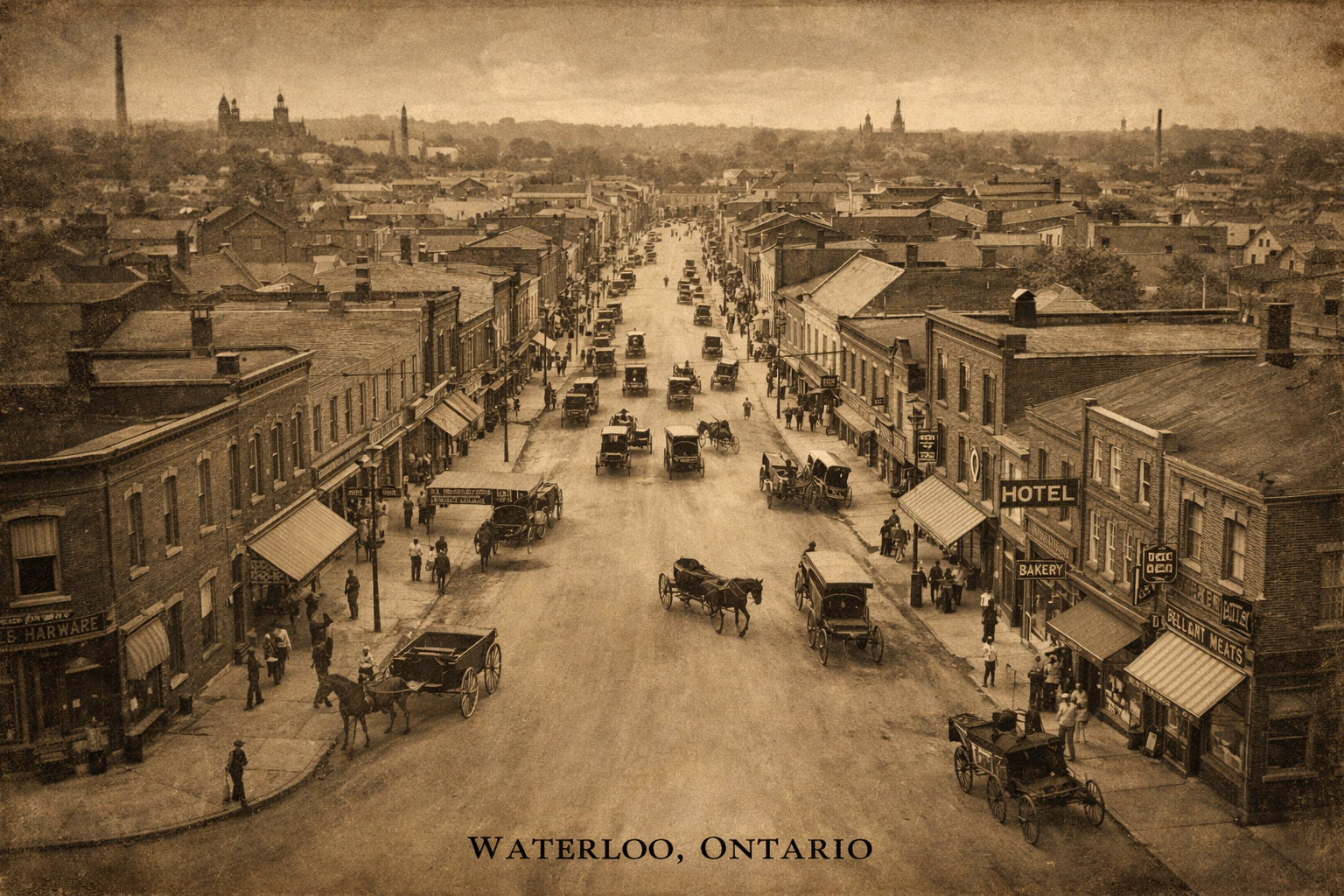
This project used the City of Waterloo’s culture plan as a planning reference—translating municipal cultural goals, recommendations, and success indicators into a local vision, mission, values, and measurable markers of progress for building a sustainable swing-era community.
The central legacy here is continuity by design: building a local swing-era culture that could outlast founder involvement through successor stewardship. The successor organization continues as Hepcat Swing, hosting lessons and weekly social dances from its Uptown Waterloo studio.
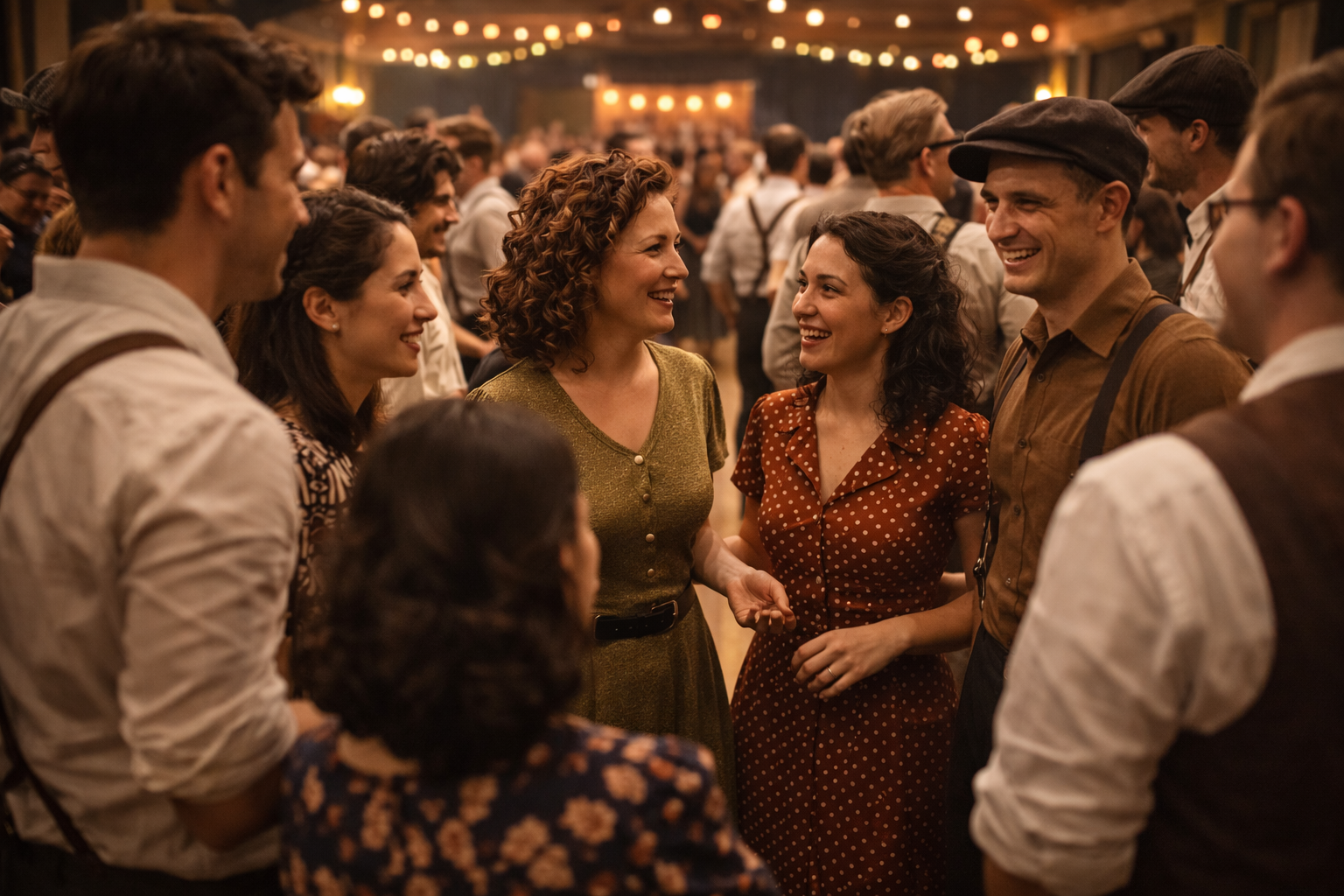
This is intentionally a point-in-time record of the Hep Cat Hoppers’ active era (2009–2015) and the planned transition that followed.
Archive contact: 525 Highland Road West, Suite 350, Kitchener, Ontario, N2M 5P4.
ThemeWagon